Match Format
OVERVIEW
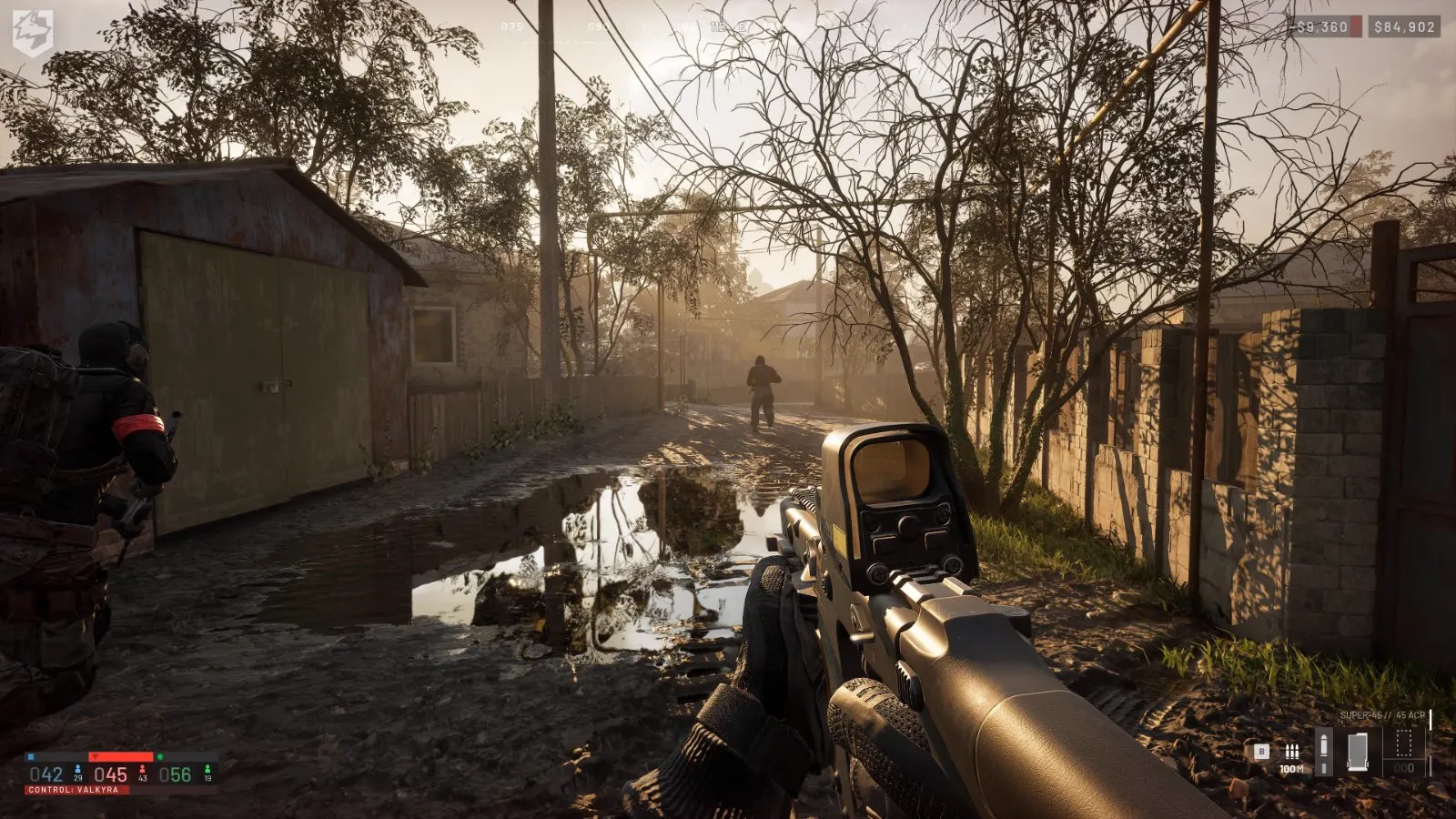
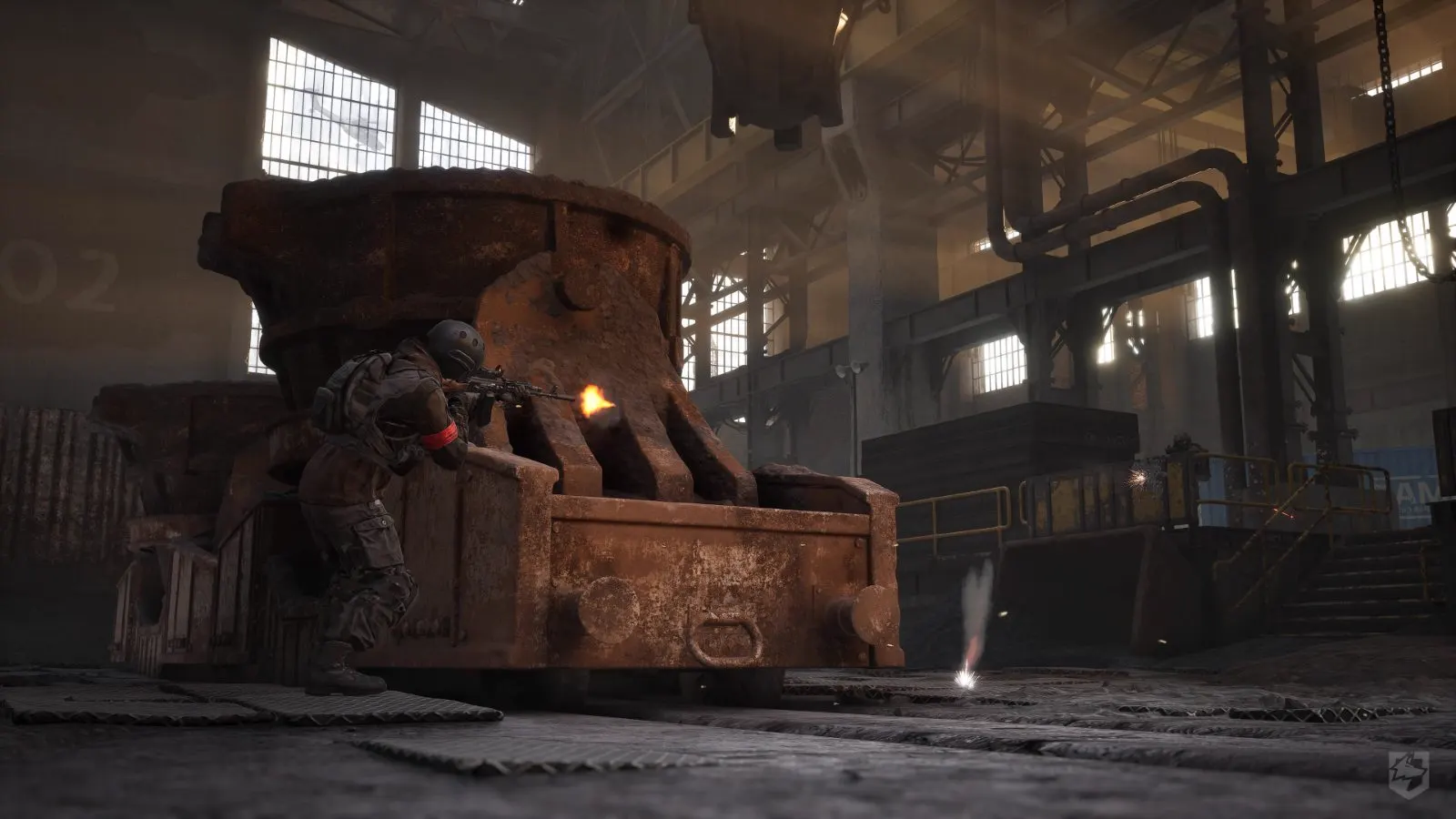
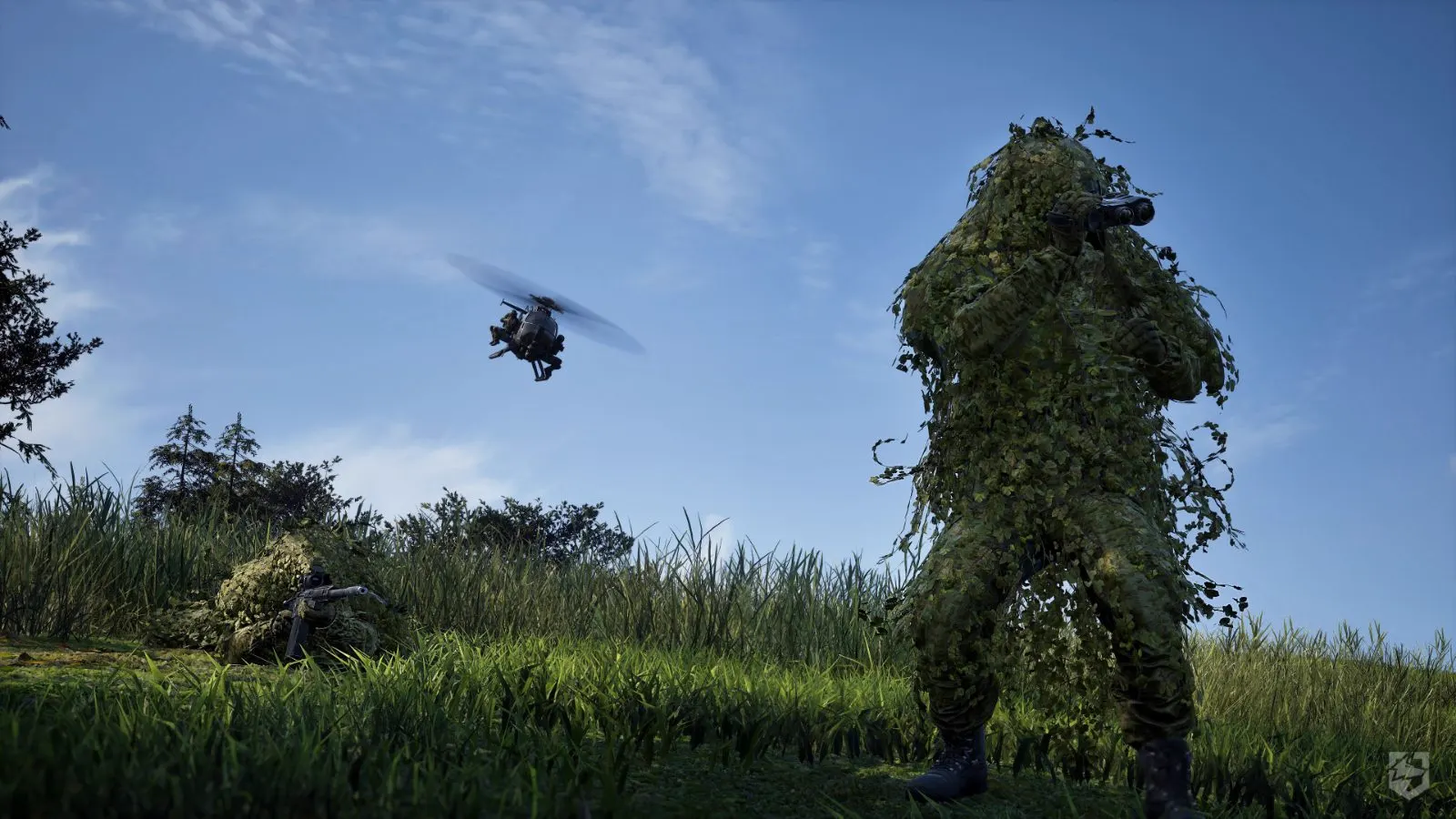
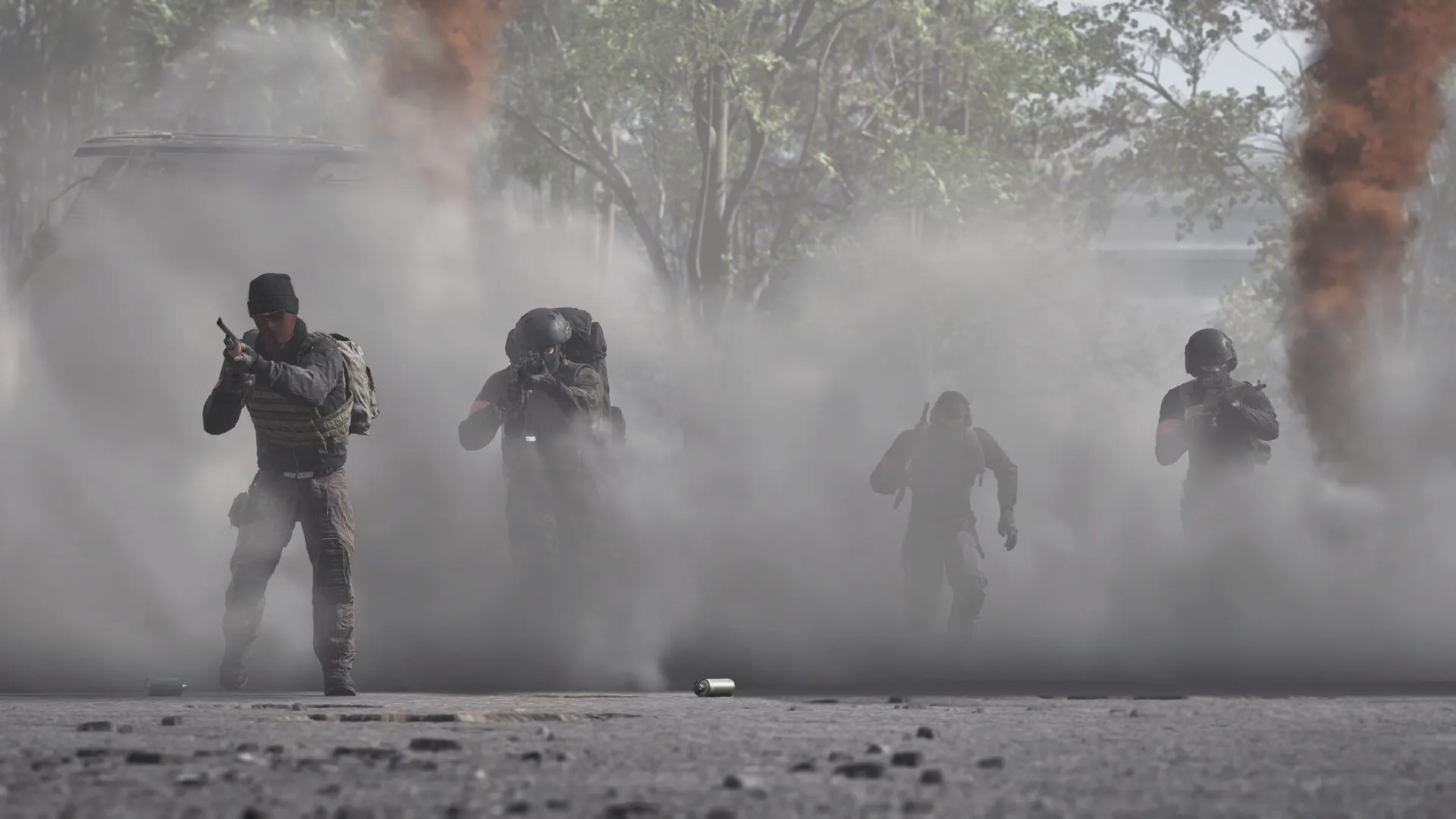
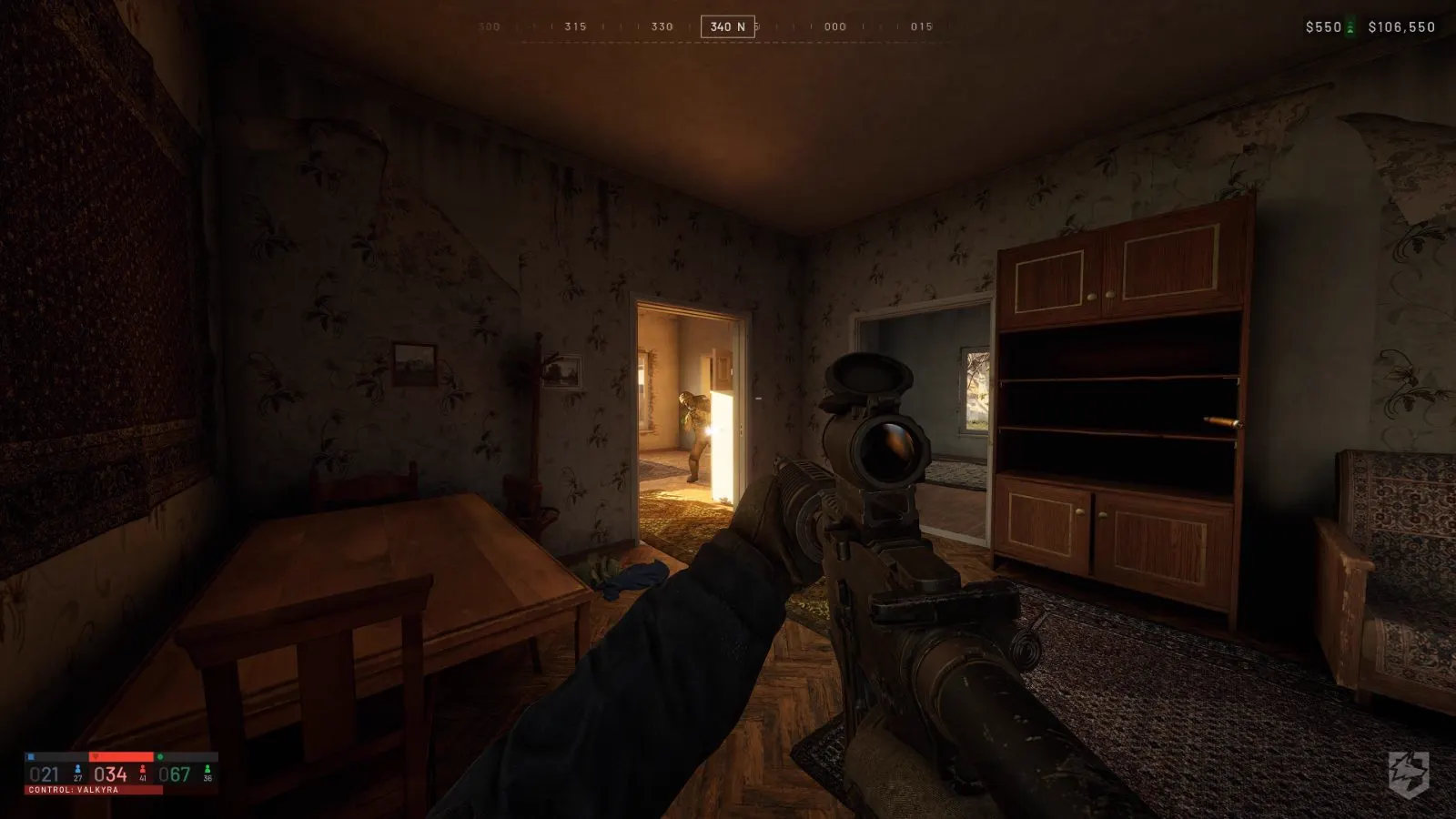
A WARDOGS match is one objective, three teams and a hundred players. Team17’s official page states that teams score by holding a randomised Control Zone of two kilometres square inside a much larger map, and that the first team to one hundred points wins. PC Gamer, reporting on 6 June 2026, described the game as built around a single mode rather than a playlist, which means the format described here is not one option among several — it is the game.
HISTORY
Building a large shooter on one mode is a deliberate bet against variety. PC Gamer, on 6 June 2026, reported the design as inspired by King of the Hill, with each zone carrying its own conditions so that repetition comes from the ground rather than the rules. Team17 frames the same idea as randomisation. As of 16 August 2026, DualShockers reported three maps with three variations each, attributed to BULKHEAD — we have not found that figure in any first-party source.
WHAT IT CHANGES IN PRACTICE
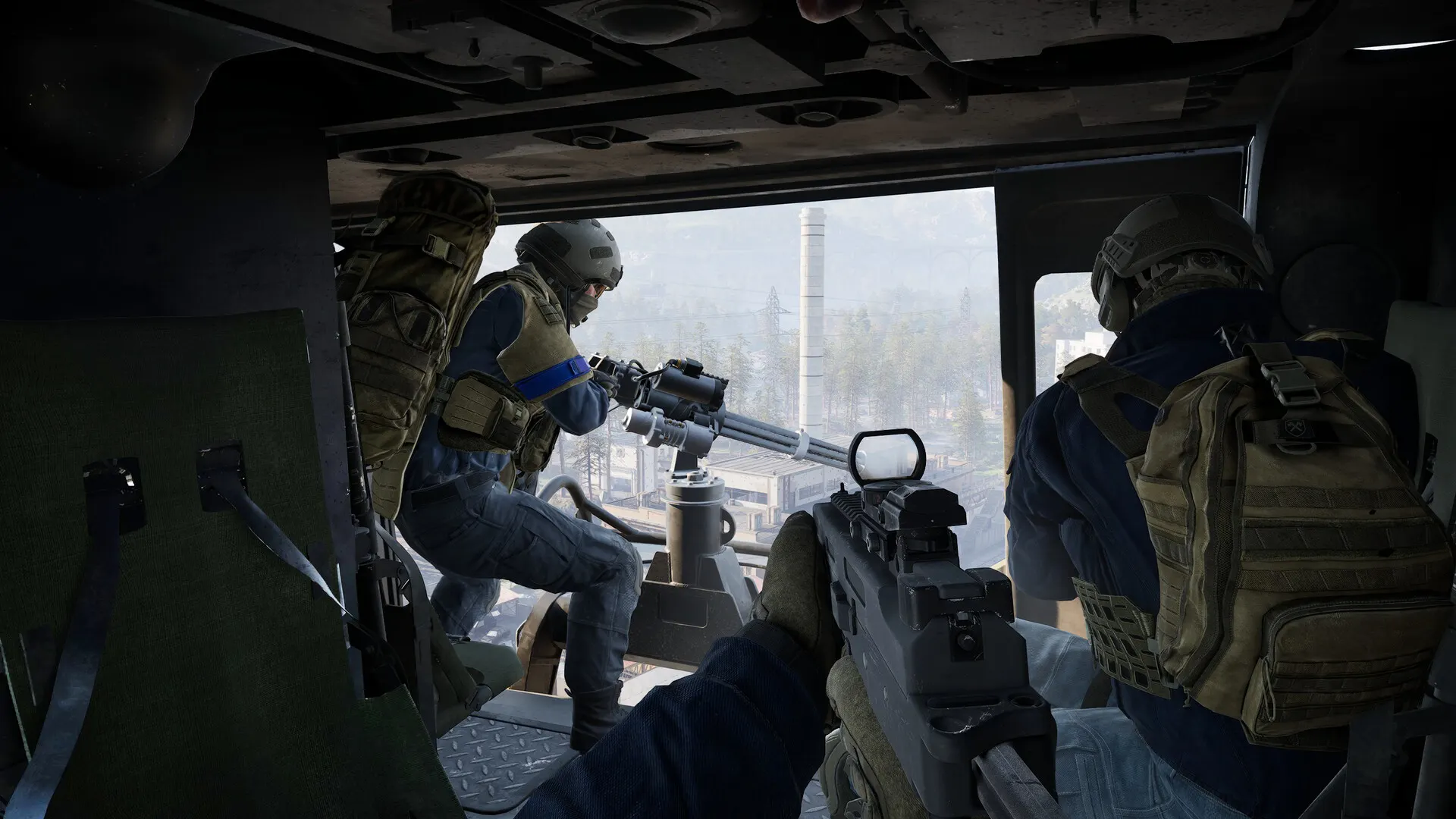
What follows from a single scoring rule is that every other system in the game is judged against it. Vehicles, forward bases and supply runs are worth what they contribute to presence in the zone, and nothing else scores. Match length is not published by any source as of 16 August 2026, though PC Gamer described a round running well past forty minutes. Treat that as one observed match on a test build, not as a specification.
WHAT PLAYERS GET WRONG
Newcomers ask which mode to play first, and the answer appears to be that there is only one. That is worth knowing before buying: WARDOGS is not a shooter with a rotating playlist, it is one long contested objective repeated on shifting ground. Our Control Zone page covers how points accrue, and our page on three-team warfare explains why a third side changes every fight you thought you understood.
THIS ENTRY WAS LAST CHECKED 16 AUGUST 2026