Proximity Voice Chat
OVERVIEW
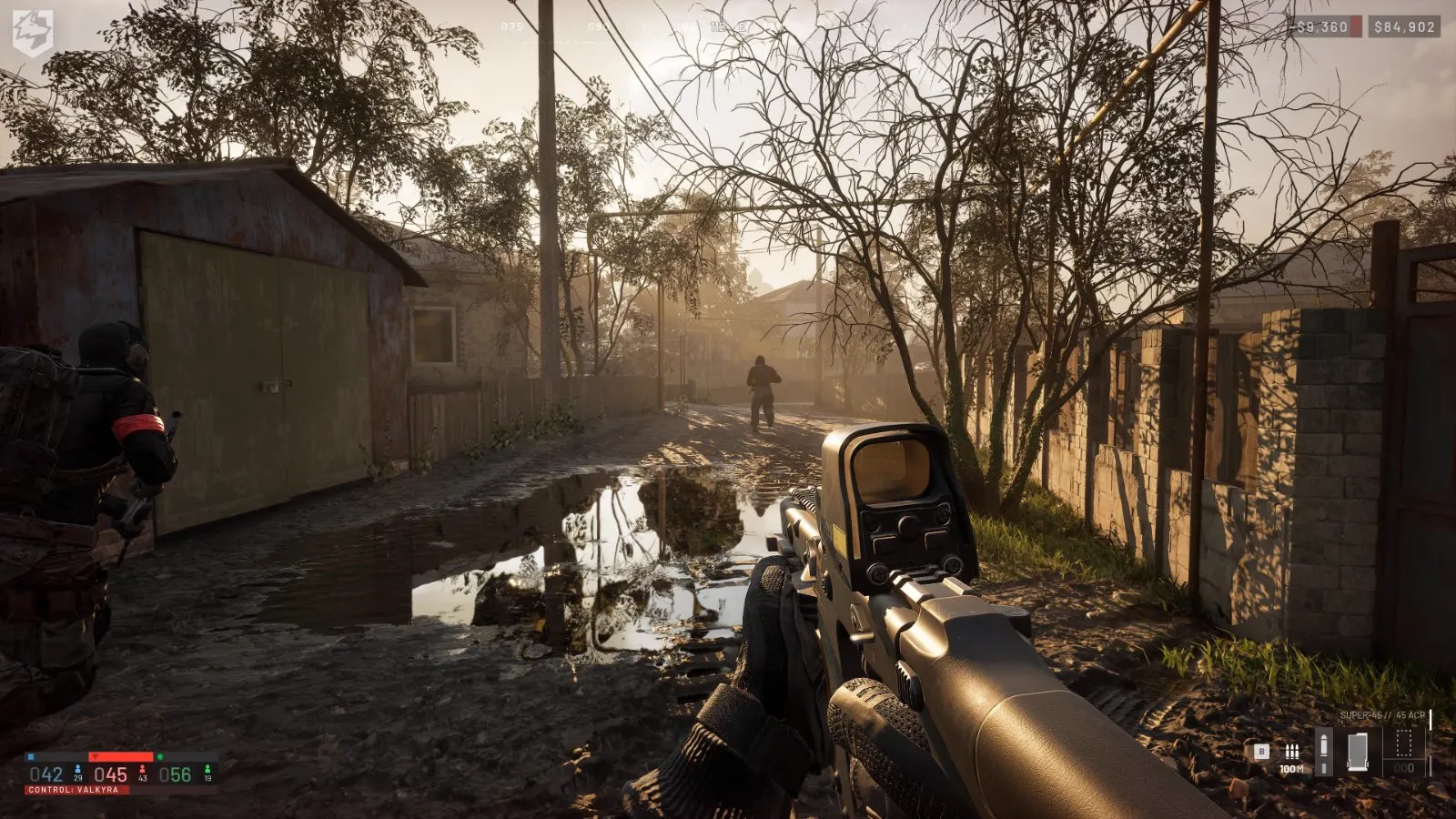
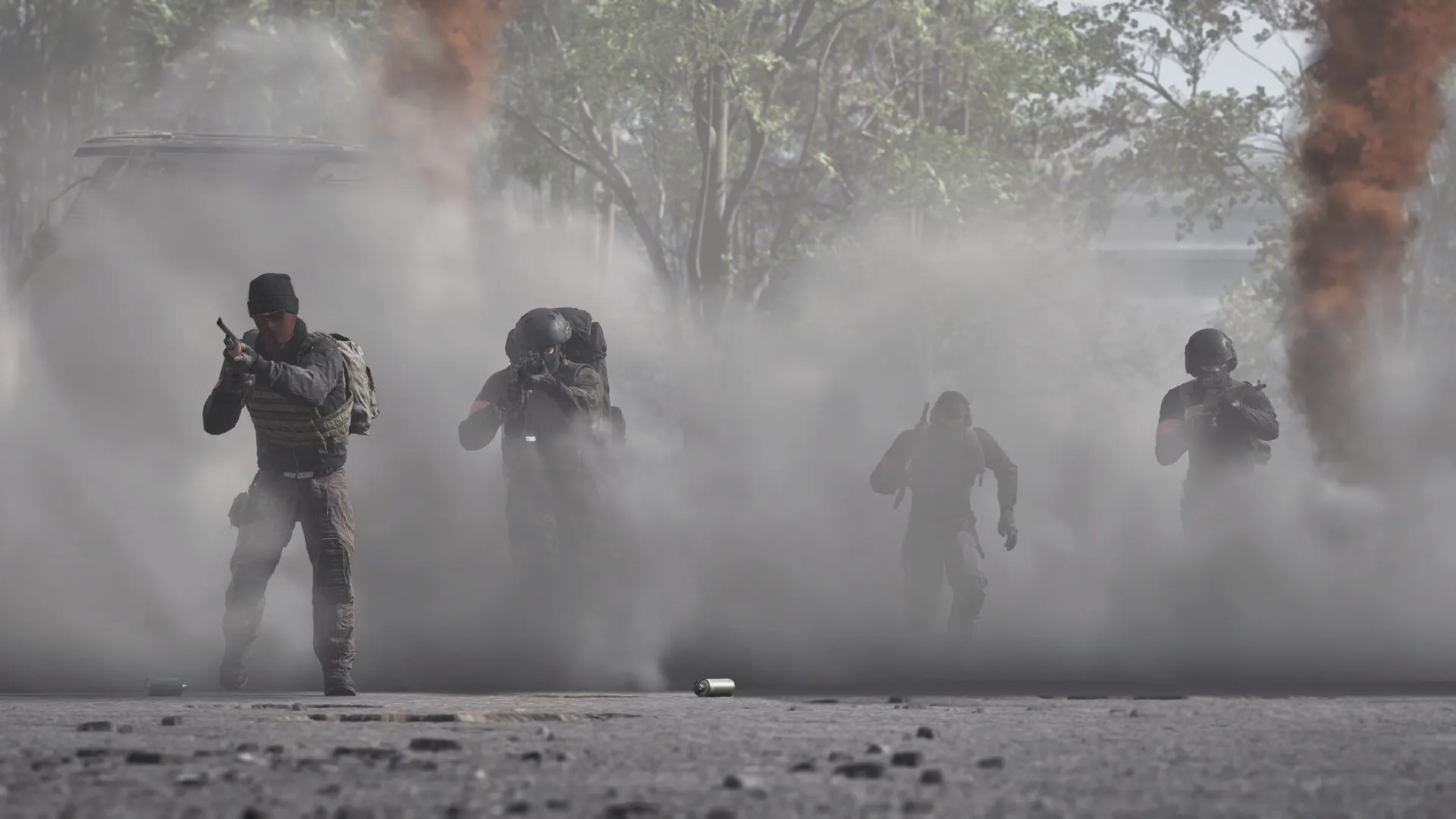
WARDOGS carries proximity voice chat, and both the Steam store page and Team17’s official game page list it among the game’s systems rather than as a comfort option. In a game where up to a hundred players share one objective and nobody is assigned a role, hearing the people physically near you is how a group of strangers becomes a squad — and how you learn that someone hostile is closer than you thought.
HISTORY
Local voice is a milsim habit that most large shooters replaced with team-wide channels, because proximity is harder to moderate and harder to balance. WARDOGS keeps it, and the official press kit is unusually direct about why: local voice exists to “talk tactics with teammates or troll enemy players”. That second half answers the question players actually ask — yes, enemies within earshot hear you. What no official source publishes, as of 17 August 2026, is the audible range or what moderation tools exist.
WHAT IT CHANGES IN PRACTICE
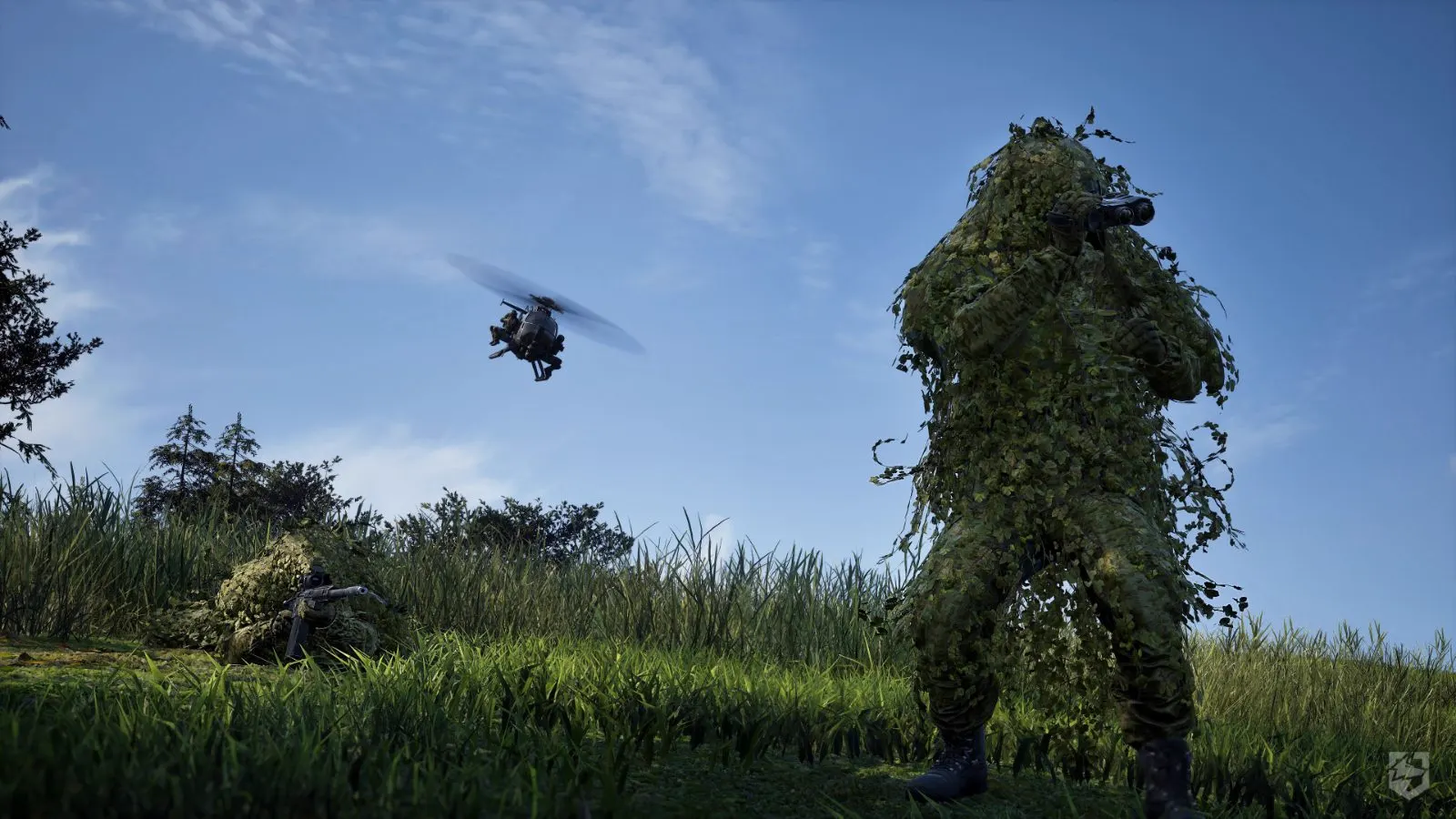
Proximity voice can support both tactics and the economy: rewarded actions such as reviving, transporting and holding ground benefit from nearby players knowing what you are doing. In its report of 11 August 2026 after playing a test build, PC Gamer described a helicopter pilot announcing a landing to passengers over the radio. That is a reported example of coordination, not this site’s test of the released game. The dated sources cited in this article do not establish the precise voice range or the available channels.
WHAT PLAYERS GET WRONG
One published detail belongs here and we only found it on 4 September 2026, in a question-and-answer post dated 18 February 2026 on the game’s store feed: the studio states that players can construct loudspeakers to broadcast faction propaganda at enemies. That places voice inside the building system rather than only inside the interface, and it is the single clearest sign of what the studio means when it calls the sandbox entirely player-driven. What it does not publish is what a loudspeaker costs, how far it carries, whether it broadcasts a player’s own voice or a recording, or whether it can be destroyed. The habit worth breaking early is treating voice as optional and playing muted. In a game with no classes, nobody knows what tool you bought unless you say so — and nobody comes to revive you unless they hear you. The part players underestimate is the other direction: since the developer itself describes local voice as a way to reach enemy players, anything you say near an opponent is something they hear. The release alone does not verify this point: a direct check of the released version is still needed, and this article does not yet establish that result.
THIS ENTRY WAS LAST CHECKED 17 AUGUST 2026