The War Dynamics Framework
OVERVIEW
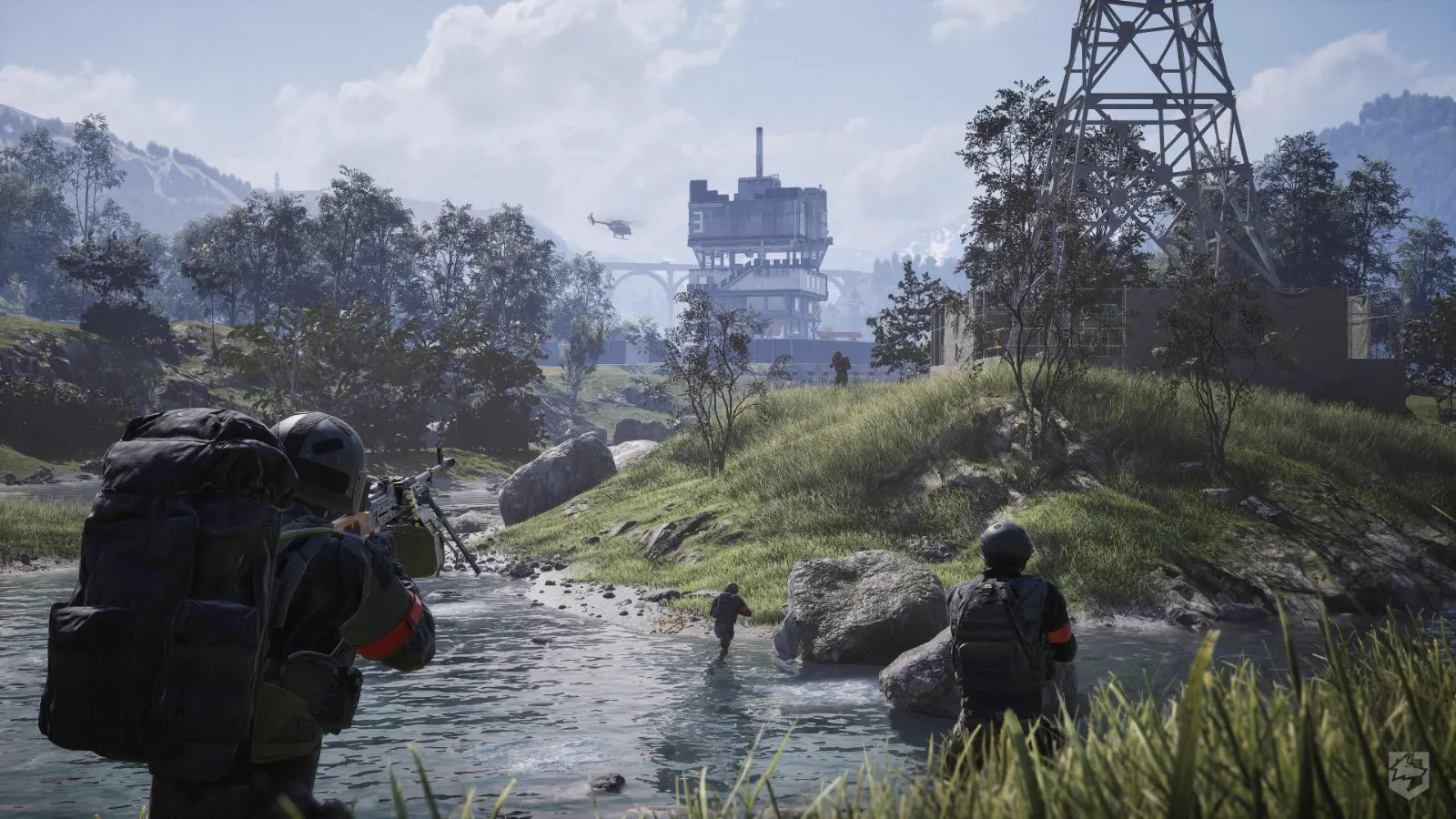
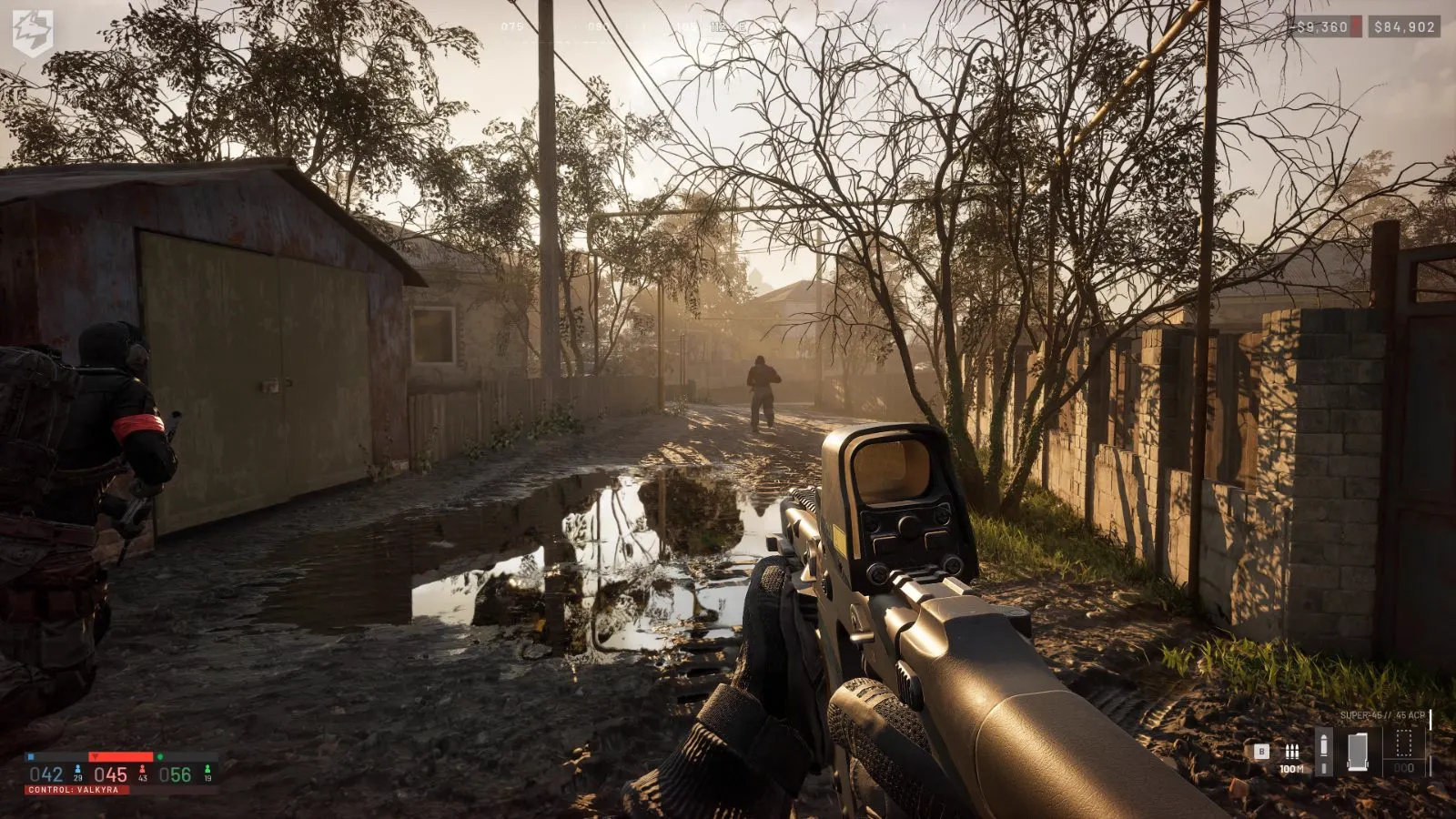
WARDOGS runs on Unreal Engine 5 with a custom layer on top, and the studio has given that layer a name. In the question-and-answer post published on the game’s store feed on 18 February 2026, BULKHEAD states that its custom War Dynamics Framework enhances UE5 to handle high-density hundred-player all-out warfare, and adds that as FPS players themselves the team is conscious of performance and input latency as a major factor in how the game feels. We read the post at the source on 4 September 2026. Naming your own engine layer is a claim about where the hard work went, and in a game of this shape it is the claim most likely to decide whether the thing is playable.
HISTORY
The reason it matters is arithmetic rather than marketing. A hundred players on a map of 256 square kilometres, with destruction, building, vehicles and positional voice, is a networking and simulation problem before it is a shooter. The studio returned to the subject on 16 July 2026 with a developer video on level design and performance, in which it stated that performance had been a priority since the first day, that it had gathered real-world references first-hand in Georgia, that it had optimised across a wide range of hardware, and that graphics options let a player tune the experience. It also reported that playtesters were surprised by how well the game already ran. That last one is the studio quoting its own testers, and we mark it as such rather than as a measurement.
WHAT IT CHANGES IN PRACTICE
The useful next check is whether the released game meets the studio’s performance claims under real match conditions. This article contains no independent measurements of frame rate or input latency and cannot turn the studio’s tester feedback into a benchmark. The system requirements page records the dated store requirements; those requirements alone do not establish performance on a particular computer.
WHAT PLAYERS GET WRONG
The misconception to avoid is that a custom framework means a custom engine. It does not: the studio describes it as enhancing UE5, so this is a layer on a widely used engine rather than a replacement for one. The second is treating the performance claims as verified. They are the developer’s statements about the developer’s work, published on the developer’s channel, and the one piece of external evidence — surprised playtesters — is also the developer reporting what it was told. That is worth publishing with its source attached and worth nothing at all without it. The release alone does not verify this point: a direct check of the released version is still needed, and this article does not yet establish that result.
THIS ENTRY WAS LAST CHECKED 4 SEPTEMBER 2026